Is Your Raleigh Rental One Cold Snap Away From a Burst Pipe?
It’s 6:40 on a January morning, and your phone lights up. A tenant is sending photos of water spraying from a crawl space pipe, and last night’s low only dipped into the 20s. Raleigh winters have a way of lulling landlords into a false sense of security.
Most days feel mild, so the furnace filter waits, the outdoor spigot stays connected, and the gutters quietly fill with leaves. Then one hard freeze or ice storm turns a calm month into an emergency plumber, soaked flooring, and a resident who is losing patience fast.
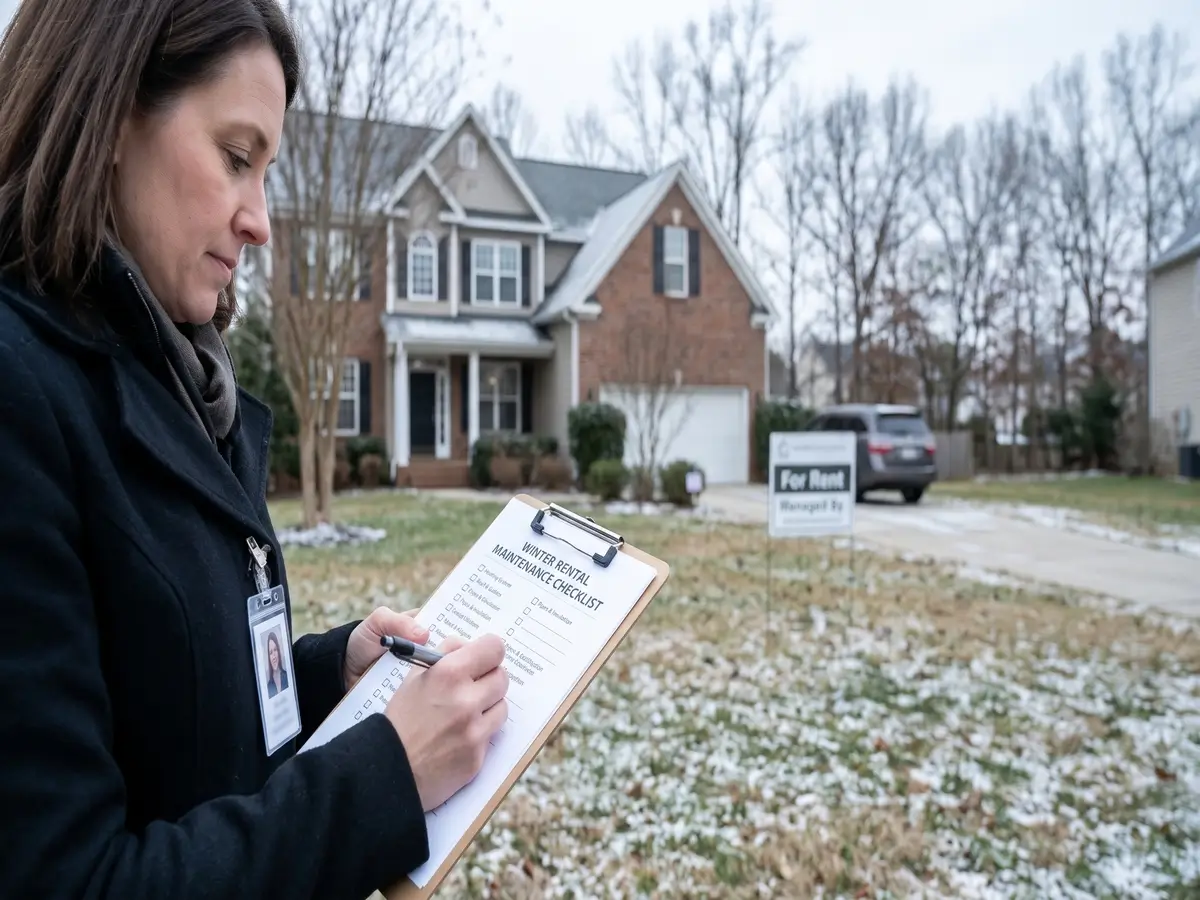
This checklist shows you exactly what to inspect, service, and communicate before temperatures fall, so your rental stays safe, compliant, and earning all winter.
Key Takeaways
Here is what every Raleigh landlord should lock in before the first hard freeze.
Service your heat early: A fall HVAC tune-up costs far less than a January breakdown and helps keep your property up to North Carolina's heating standards.
Protect every exposed pipe: Crawl spaces, exterior walls, and outdoor spigots are where Triangle freeze damage usually starts.
Test life-safety devices: Working smoke and carbon monoxide alarms matter most during heating season.
Give tenants a freeze plan: Prepared residents can stop a small problem before it floods a floor.
Raleigh By the Numbers |
2010: The year Above All Property Management was founded in the Triangle |
65°F: Minimum indoor heat North Carolina rentals must be able to reach when it is 20°F outside |
Nov. 1 to Mar. 31: The window when that state heating standard applies |
15 days: Time a landlord has to repair or replace a carbon monoxide alarm after written notice from a tenant |
11-point: The resident screening process we use to place responsible tenants |
IN THIS GUIDE
Why Raleigh Winters Catch Landlords Off Guard
Heating Systems: Your First Line of Defense
Plumbing and Freeze Protection
Roof, Gutters, and the Exterior Envelope
Smoke Alarms, Carbon Monoxide, and Fire Safety
Vacant Units and Tenant Communication
Why Raleigh Winters Catch Landlords Off Guard
Raleigh doesn't get Buffalo winters, but it gets enough cold to expose weak spots.
Mild weeks lull owners into skipping prep, then an Arctic front or ice storm drops overnight lows well below freezing. Many Triangle homes run plumbing through vented crawl spaces, and freezing rain can cut power, leaving heat pumps and pipes vulnerable at the same time.
Federal winter weather guidance ranks freeze prep and outage planning as top priorities. For landlords, repairs rarely cover the full cost. Emergency call-out rates, water damage, and a displaced resident usually follow.
Heating Systems: Your First Line of Defense
Tenants notice a heat failure within hours, and North Carolina law treats it seriously.
Schedule a Pre-Season HVAC Service
Book a licensed HVAC technician in October, before service calendars fill up. Many Triangle homes rely on heat pumps, which lean on backup heat strips during cold snaps.
Replace air filters and remind tenants of the change schedule.
Test the heat pump's defrost cycle and auxiliary heat.
Inspect gas furnaces for cracked heat exchangers and proper venting.
Know North Carolina's Heat Standard
Under N.C. Gen. Stat. § 42-42, a lack of heat that keeps living areas at 65°F when it is 20°F outside, from November 1 through March 31, counts as an imminently dangerous condition. Once they know about it, landlords must repair or remedy it within a reasonable time, depending on the severity.
A no-heat call in January cannot wait until next week. Our guide to North Carolina's landlord-tenant rules covers your other repair duties, and this overview is general information, not legal advice.
A fall service visit keeps a heating problem from becoming a legal one.
Plumbing and Freeze Protection
Frozen pipes cause some of the most expensive winter claims, and nearly all of them are preventable.
Insulate Exposed Lines
Check the crawl space, attic, and exterior walls where plumbing runs. Add foam insulation or heat tape to exposed lines, and seal any gaps that allow cold air to reach them.
Shut Down Outdoor Water
Disconnect hoses, drain spigots, add faucet covers, and shut down irrigation before the first freeze.
Hand Tenants a Freeze Plan
Residents are your eyes on the property, so send a short reminder before every major cold snap. The Town of Cary's cold weather tips also make an easy attachment for Triangle tenants.
Keep the thermostat at 55°F or higher, even when traveling.
Open sink cabinets on exterior walls and let faucets drip on the coldest nights.
Know exactly where the main water shut-off valve is.
Residents who go through a careful screening process are far more likely to follow through, and a few minutes of prep can save you the cost of new drywall, flooring, and mold remediation.
The cheapest winter repair is the one that never happens.
Roof, Gutters, and the Exterior Envelope
Winter water intrusion tends to linger, so take a hard look at the exterior before the cold arrives.
Clean gutters and downspouts: Backed-up leaves and pine needles trap water that can freeze, rot fascia, or seep under shingles.
Inspect the roof: Look for lifted shingles, cracked flashing, and worn pipe boots before ice finds them.
Trim overhanging branches: Iced limbs can snap onto roofs and power lines.
Seal windows and doors: Fresh weatherstripping and caulk reduce drafts and heating complaints.
Smoke Alarms, Carbon Monoxide, and Fire Safety
Heating season is also fire and carbon monoxide season, so take extra care.
Test Every Alarm
North Carolina requires working smoke alarms in rentals. Units with a fossil-fuel heater or appliance, a fireplace, or an attached garage also need at least one operable carbon monoxide alarm per level.
CO alarms must work at the start of each tenancy, and landlords have 15 days to repair or replace a malfunctioning alarm after a tenant provides written notice.
Inspect Fireplaces and Heat Sources
Have wood-burning fireplaces and chimneys inspected and swept, and confirm dampers work properly. If your lease addresses space heaters, remind residents to keep them well away from bedding and curtains.
Dated photos of each test and inspection also support you later, whether the question involves an insurance claim or security deposit deductions.
Vacant Units and Tenant Communication
Empty and occupied rentals each need their own winter game plan.
Protect Homes Between Leases
Keep the heat at a safe minimum, consider shutting off the water main, and schedule drive-bys after every freeze. Some insurance policies limit coverage for vacant homes, so review yours before winter.
Keep Repair Channels Open
Give residents one clear repair channel plus an after-hours option for no-heat calls and leaks.
Owners deserve the same clarity, from timely repair updates to detailed financial reporting on every winter invoice.
FAQs About Winter Rental Maintenance in Raleigh
When should Raleigh landlords start winter maintenance?
October is ideal, since contractors book up quickly once the first cold front arrives. Finishing early readies every system before the state heating window opens on November 1.
Who pays if a tenant's actions cause frozen pipes?
North Carolina law lets a landlord recover actual, reasonable repair costs from a tenant when the tenant's actions cause the damage. Clear lease terms and documented reminders make that conversation easier.
Do I need a carbon monoxide alarm if my rental is all-electric?
The state CO alarm requirement applies to units with a fossil-fuel heater or appliance, a fireplace, or an attached garage. Many owners install one anyway because it's inexpensive.
The Best Winter Repair Is the One You Never Have to Make
Prepared rentals stay quiet in January, and quiet is what a profitable winter looks like.
Raleigh winters may be short, but one hard freeze exposes every fall shortcut. Servicing heat, protecting pipes, sealing the exterior, and testing every alarm keep residents safe, keep you aligned with North Carolina's heating standards, and keep emergency invoices off your statement.
The tricky part is timing. Contractors book up, cold fronts arrive early, and one missed spigot can undo everything else on the list.
That is where we come in. Since 2010, Above All Property Management has helped landlords across Raleigh, Cary, Apex, and the greater Triangle stay ahead of seasonal risk with scheduled inspections, trusted vendors, and fast response when temperatures drop. Let us winterize your rental before the first freeze does.
Call us at 919.341.9555 or explore our Raleigh rental maintenance services to get started.