Is Your Raleigh Rental Losing Money Between Tenants?
The last box is out, the keys are sitting on the kitchen counter, and the house suddenly feels very quiet. Then the math kicks in. Your mortgage, taxes, insurance, and utilities still show up on schedule, but rent stopped the day your tenant drove away.
So you’re tempted to rush. A quick coat of paint, a few phone photos, and a yes to the first applicant who seems decent. It feels efficient until a missed repair, a disputed deposit, or a bad-fit resident sends you right back to square one.
There is a better way to move fast. This checklist shows you how to shorten vacancy, protect your deposit, and set up a tenancy that actually lasts.
Key Takeaways
Here is what every Raleigh landlord should know before the next move-out notice arrives.
Start before move-out: The fastest turnovers begin with a pre-move-out walkthrough and vendor scheduling while the current tenant is still in place.
Documentation protects the deposit: Dated photos and a written condition report are what support any deduction under North Carolina's 30-day accounting rule.
Prioritize safety, then appeal: Working smoke and carbon monoxide alarms, rekeyed locks, and functioning systems come before cosmetic upgrades.
Speed should never replace screening: A filled vacancy with the wrong resident usually leads to another turnover, often a costlier one.
Turnover by the Numbers |
11: Points in Above All's resident screening process |
30 days: NC deadline to itemize deductions and return the deposit balance |
60 days: Final accounting deadline when claims cannot be settled within 30 days |
6 months: Minimum hold on a deposit balance when the tenant's address is unknown |
1978: Homes built before this year require a federal lead-based paint disclosure |
IN THIS GUIDE
Why Fast and Thorough Have to Work Together
Before Move-Out: Start the Clock Early
Move-Out Day: Document Everything
The Make-Ready Checklist
Relist, Screen, and Hand Over the Keys
Corners Raleigh Landlords Should Never Cut
Why Fast and Thorough Have to Work Together
Turnover is where rental profit is quietly won or lost.
Move slowly and vacancy eats your margins. Rush and you inherit missed repairs, weak documentation, and a resident who was never the right fit.
To see what each empty week costs, our vacancy calculator puts a real number on it. If a freshly turned unit still sits, it may be time to weigh a move-in special against a rent reduction.
The answer is a repeatable checklist, not guesswork.
Before Move-Out: Start the Clock Early
The smartest turnover work happens while the current tenant still has the keys.
Confirm the Notice and Move-Out Date
Get the move-out date in writing as soon as you receive notice. Confirm the forwarding address too, since you will need it to send the deposit accounting on time.
Walk the Unit Before It Is Empty
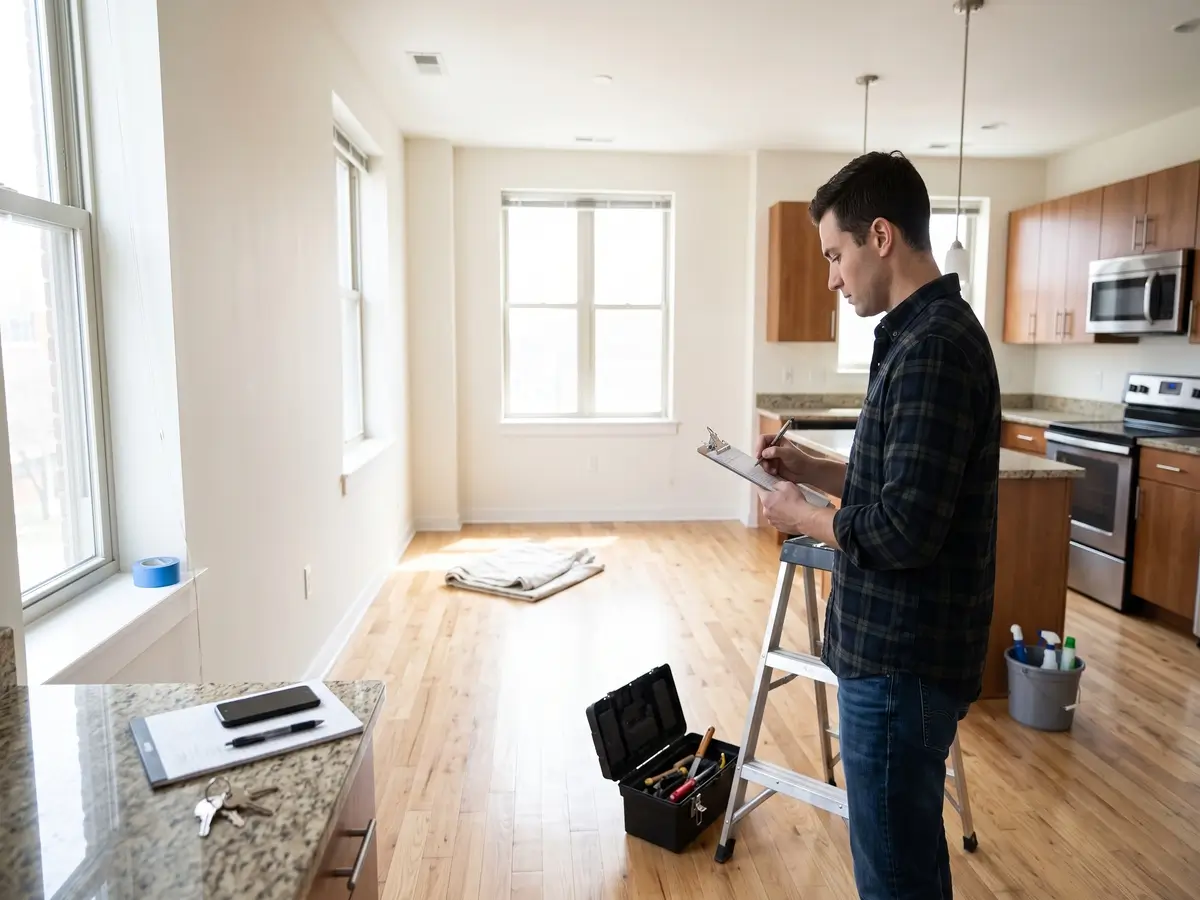
A pre-move-out walkthrough two to three weeks in advance reveals what needs fixing before the unit becomes vacant. That lead time lets you order parts, book vendors, and avoid the slow scramble that turns a one-week turnover into a month.
Begin Marketing Early
With repairs mapped out, you can often start marketing the rental before it is empty. Schedule showings with proper notice and respect for the current tenant, and the next lease may be signed before the last box is packed.
Front-loading these steps is the single biggest lever for shortening vacancy.
Move-Out Day: Document Everything
Move-out day sets the record you will rely on if a deduction is ever questioned.
Photograph and video every room, including inside appliances, closets, and under sinks, with dates visible.
Compare against the move-in report to distinguish tenant damage from normal wear and tear, which North Carolina law does not allow you to charge for.
Collect all keys, fobs, garage remotes, and mailbox keys, and note any missing items.
Record meter readings and confirm that utilities are being transferred back into your name.
Note the date you returned possession, since that is when the deposit deadline begins.
Under N.C.G.S. 42-52, landlords must deliver a written itemization and any remaining balance within 30 days after the tenancy ends and possession is returned. If repair costs cannot be finalized in time, landlords must provide an interim accounting at 30 days and a final accounting within 60 days.
Our guide to Raleigh security deposit rules covers deductions in more depth.
The Make-Ready Checklist
Once the unit is empty, work through repairs in order of risk, not convenience.
Safety and Systems First
Test smoke and carbon monoxide alarms and replace batteries or units as needed. Check the HVAC, water heater, plumbing, and electrical so the next resident does not call with an emergency during week one. In a Raleigh summer, a failed AC unit is not just a minor complaint.
Rekey and Reset Access
Change or rekey every exterior lock between tenants. Reset garage codes and smart lock credentials so no former resident retains access.
Cosmetic Refresh That Pays Off
Focus on what renters notice in listing photos and showings: fresh paint in high-traffic areas, clean flooring, updated light fixtures, and a deep clean of kitchens and baths.
Trimmed landscaping and a tidy entry matter too, since first impressions start at the street for single-family homes across Raleigh, Cary, and Apex. A consistent maintenance process with trusted vendors turns this list into days of work instead of weeks.
A fast turnover is only a win if the next tenancy starts on solid ground.
Relist, Screen, and Hand Over the Keys
The final stretch is where speed matters most and where shortcuts do the most damage.
Price and Screen With Consistency
Price the unit using current Raleigh comparables, not last year's rent. Then screen every applicant against the same written criteria for income, rental history, and background, applied consistently to stay on the right side of fair housing rules.
At Above All, our 11-point resident screening process identifies residents who pay on time and stay longer, including warning signs a credit report misses.
Close the Loop With a Move-In Inspection
Before handing over keys, complete a signed move-in inspection with photos. That report becomes your baseline at the next move-out.
Getting both steps right is what keeps the next turnover from coming too soon.
Corners Raleigh Landlords Should Never Cut
Some shortcuts save a day now and cost months later.
Skipping move-out photos, which leaves deposit deductions with little support.
Missing the 30-day accounting deadline, which can put your deposit position at risk.
Forgetting lead-based paint disclosures for homes built before 1978, a federal requirement for most rentals.
Approving the first applicant without completing full screening.
Leaving old locks in place, which creates avoidable security and liability exposure.
FAQs about Rental Turnover in Raleigh
These are the questions Raleigh owners ask most often between tenants.
How long should a rental turnover take in Raleigh?
Timing depends on the unit's condition and vendor availability, but planning repairs before move-out can shorten the process considerably. The biggest delays usually come from scheduling work only after the unit is empty.
Can I charge a tenant for repainting?
North Carolina does not allow deductions for normal wear and tear, so routine repainting after a typical tenancy is generally an owner expense. You may deduct damage beyond normal use, such as large holes or unapproved paint colors, with proper documentation.
When can I start showing the unit to new applicants?
You can often start showings before move-out, as long as you follow your lease terms for notice and entry. Coordinating respectfully with the current tenant keeps the process smooth for everyone.
Re-Rent Faster, Lose Less: Your Raleigh Turnover Advantage
The best turnovers are planned weeks before the keys come back.
A strong turnover balances speed with care, and neither one can carry the process alone. Plan before move-out, document every condition, fix safety items first, and screen every applicant with the same standards.
That approach shortens vacancy and protects both your deposit position and your next lease. It also builds a paper trail that holds up if someone ever challenges a deduction. Over time, each turnover gets faster because your vendors, checklists, and pricing data are already in place.
The landlords who re-rent quickly in Raleigh aren’t cutting corners. They start sooner and follow the same system every time.
At Above All Property Management, we handle the entire turnover cycle for owners across Raleigh, Cary, Apex, and the greater Triangle, from pre-move-out walkthroughs and vendor coordination to marketing, screening, and move-in documentation. We track every deposit deadline, so nothing slips through the cracks while your home sits between residents.
You get a rent-ready property and a qualified resident without managing every moving part yourself. Call us at 919.341.9555 or explore our Raleigh property management services to see how we keep your rental earning.